Skip to content
  Once in a lifetime deal →

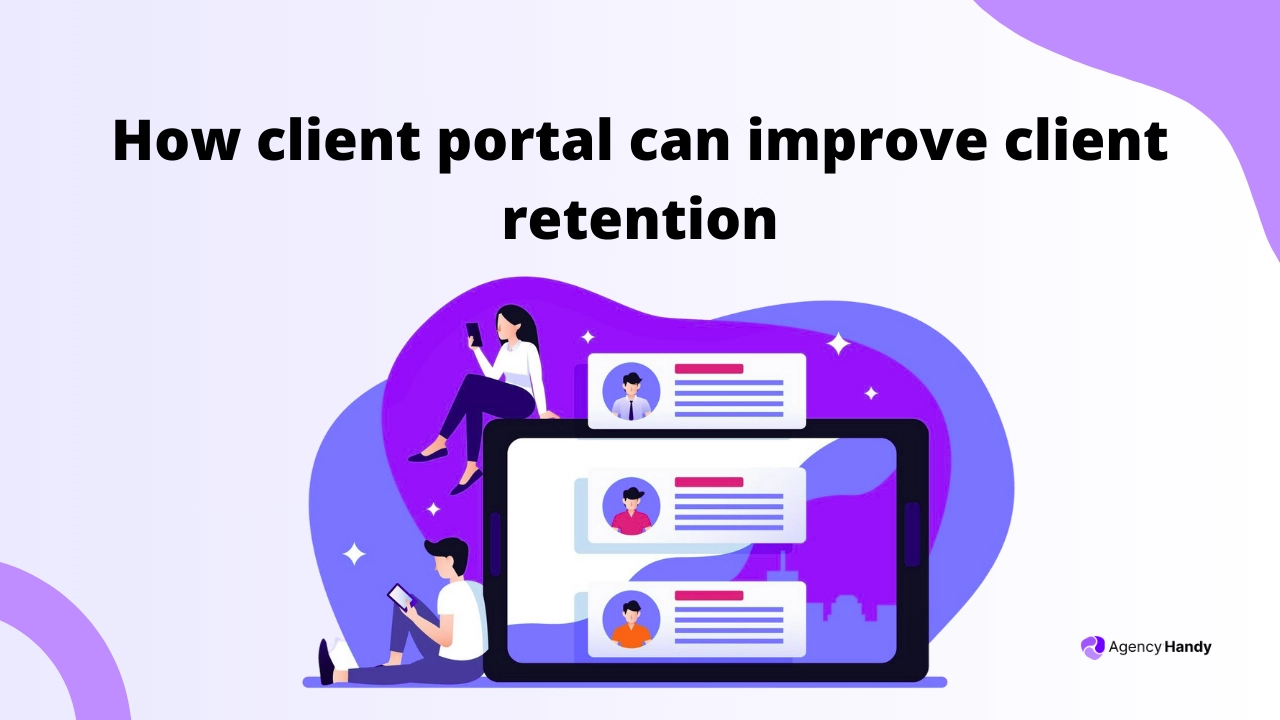



When you lose a client, it’s not only that you’re losing that payment. It’s also about their future payments and referrals.
So, don’t allocate all your budget and energy to chase new leads. Nurturing existing clients is much cheaper and profitable in the long run. New clients are 5 to 25 times more expensive to acquire than retaining existing ones.
Once you value your client’s journey and touchpoints, and make your client portal aligned with those values, you get customer satisfaction and their loyalty.
Hence, we’ll share ideas on how to refine your client retention strategies to use a client portal to improve client retention. Let’s begin.
How Client Portal Improves Client Retention
Keeping clients isn’t only about delivering good results. It’s about making their journey with your business smooth and stress-free. A client portal gives them the clarity, access, and control they expect. That’s what keeps them around.
- Seamless onboarding experience
The first few days decide how confident a client feels about working with you.
If the process is confusing, they second-guess their choice. A portal makes onboarding simple. Clients see clear steps, upload files in one place, and follow the process without feeling lost.
Instead of sending five emails with forms and files, you share one portal link. The client uploads documents, signs agreements, and sees the timeline in minutes.
- Easy access to files and documents
Clients don’t want to dig through emails to find a contract or report. A portal gives them 24/7 access to everything they need. It saves them time and builds trust because they know important files are always within reach.
A client needs last quarter’s invoice before a board meeting. They log in, download it instantly, and move on without waiting for your team.
- Real-time project tracking
Clients leave when they feel ignored. A portal solves this by showing progress in real time. They can check updates, deadlines, and milestones without waiting on your team. Notifications keep them in the loop, so they never feel left out.
Instead of asking “How’s the campaign going?”, the client logs in and sees 70% of tasks complete, with the next milestone due in two days.
- Feedback without email chaos
Back-and-forth emails create delays and miscommunication. With a portal, clients can give direct feedback on files. Some tools even allow annotations, so they can point exactly where changes are needed. This keeps revisions clear and projects moving faster.
A client highlights text on a brochure inside the portal and writes, “Change this to blue.” Your team sees it immediately and updates the design without guessing.
- Personalized experience
Every client wants to feel like you understand them. Good client portal software can be customized so that they see what matters most, whether it’s reports, invoices, or project metrics. When clients feel in control, they’re more likely to stay long term.
A marketing client sets their portal view to show ad spend and ROI. Every time they log in, they see the exact numbers they care about most.
- Self-service payments
Slow billing creates frustration. A client portal lets them pay securely without waiting for your admin team. It’s faster for them and healthier for your cash flow. Smooth payments leave no room for friction in the relationship.
Instead of waiting three days for finance to send an invoice, the client logs in, selects their package, and pays in less than five minutes.
- Quick support options
When issues come up, clients want answers fast. A portal with live chat or ticketing gives them a direct line to help. Quick responses show you value their time and prevent small problems from turning into bigger frustrations.
A client can’t open a shared file. Instead of emailing support and waiting, they open a chat in the portal and get help within minutes.
Following client communication best practices like this shows you value their time and prevents small problems from turning into bigger frustrations.
- Smarter client insights
Every action inside the portal tells you something about your client. You can see what they download, what they request, and where they need help. This lets you anticipate their needs and offer solutions at the right time. Clients appreciate it when they don’t have to repeat themselves.
If a client regularly downloads SEO reports, your team can recommend optimization add-ons before they even ask. It feels proactive, not pushy.
How Agency Handy Client Portal Can Help You Retain Clients
Our entire client portal software workflow is designed to give clients the best self-service functionalities and convenience. Here’s how Agency Handy can help you retain clients –
Smooth, self-driven onboarding
Clients don’t need to wait for admin assistance. From the service catalog or order form, they can select a service, complete self-checkout, receive an invoice, and make payment on their own.
Once the payment is processed, they automatically get a welcome email with login details to their client portal. This fast, automated start makes clients feel in control and valued from day one.
Centralized access to everything
Inside the portal, clients can view or upload files, check invoices, and track all project-related documents. No more chasing emails or waiting for someone to send attachments.
When clients know they can find everything they need in one place, it reduces frustration and increases trust in your process.
Real-time project tracking
Clients often worry about progress when they can’t see it. With Agency Handy, they can view live updates on project status and see estimated completion timelines.
They can even create tasks, while your admin assigns them to the right team members. This transparency builds confidence and prevents the “What’s happening with my project?” emails that drive churn.
Advanced file feedback tools
Email isn’t built for creative feedback, and it often causes confusion. Agency Handy solves this with annotation tools that let clients leave remarks, highlight sections, draw arrows, and comment directly on webpages or design files.
This makes collaboration faster, clearer, and far less frustrating — which keeps clients satisfied during revision cycles.
Direct communication with project owners
Instead of going through layers of back-and-forth, clients can message the person actually responsible for their project.
This direct line of communication speeds up responses, clears misunderstandings, and creates a stronger working relationship. When clients feel heard and connected, they’re far less likely to leave.
Reasons Why Client Retention is Important
Improving the client retention rate by just 5% can increase profits anywhere from 25% to 95%. That’s how powerful retention is. Winning new clients feels exciting, but keeping the ones you already have is what drives real, sustainable growth. Without it, every new sale is just replacing the ones you’ve lost.
Retention saves money
Acquiring new clients costs far more than keeping existing ones. Marketing, sales calls, proposals, and onboarding all add up. When you retain clients, you lower acquisition costs and increase overall profitability.
Loyal clients spend more
Over time, retained clients tend to purchase more services and higher-value packages. They already trust your business, so upselling and cross-selling become easier. That repeat revenue is more reliable than constantly chasing new deals.
Predictable cash flow
Retention stabilizes your income. Instead of living month-to-month on new sales, you build a consistent revenue base. This stability makes it easier to plan growth, hire confidently, and invest back into your business.
Referrals and reputation
Happy clients bring new clients. When someone stays with your business, they’re more likely to recommend you to others. Strong retention doesn’t just protect revenue — it fuels organic growth through word-of-mouth.
Growth without the churn trap
High churn keeps you stuck in place. Even if you sign ten new clients, losing seven means you’ve barely moved forward. Retention breaks that cycle, letting your efforts compound instead of reset each month.
Client Retention Mistakes You Shouldn’t Overlook
Many businesses lose clients not because of poor service, but because of small gaps in the experience. These mistakes in client retention management often go unnoticed, yet they quietly push clients away. Fixing them makes a big difference in loyalty and long-term growth.
Weak onboarding
Clients want clarity from the start. If the onboarding process feels slow or scattered, they question if they made the right choice. A smooth start gives them confidence and sets the stage for trust.
Poor communication
Clients hate being left in the dark. When updates are irregular or replies take too long, they feel ignored. Consistent communication keeps them informed and reassured.
Overpromising results
Big promises might win a deal, but missed expectations lose clients. When outcomes don’t match what was sold, trust breaks. It’s better to set realistic goals and exceed them.
Hard-to-access information
Clients don’t want to search through emails for invoices or reports. If files aren’t easy to find, frustration builds. Quick access shows professionalism and respect for their time.
Ignoring feedback
Most clients give signals before they leave. If concerns go unanswered, they assume you don’t value their opinion. Listening and acting on feedback shows you care about their success.
One-size-fits-all service
Clients want to feel recognized. If every client gets the same generic experience, they feel replaceable. Personal touches and tailored solutions create stronger loyalty.
Focusing only on new sales
Chasing new clients while neglecting existing ones is a common trap. Current clients notice when they’re not a priority. When they feel undervalued, they quietly move to a competitor.
Reactive support instead of proactive help
Waiting for clients to raise issues is risky. By then, frustration has already built up. Anticipating needs and solving problems early shows you’re invested in their success.
Many of these mistakes come from gaps in communication, access, and visibility. A client portal closes those gaps. It gives clients one place to onboard, track progress, access files, give feedback, and get support.
By removing friction, you reduce churn and build stronger, longer-lasting relationships.
Conclusion
To sum up, client retention is all about giving clients a smooth and stress-free experience. A client portal helps by making onboarding simple, keeping updates clear, and making feedback easy. That’s how the client portal improves client retention.
And not to mention, Agency Handy brings all of this into one place. With project tracking, file sharing, payments, and support in a single portal, you keep clients engaged, improve retention, and build lasting loyalty.
FAQs
How can technology be used for customer retention?
Customer retention technologies and tools, including a client portal can improve customer loyalty and churn rate if the portal if clients can access to self help through it.
How to improve client retention?
Client retention improves when businesses build strong and value-driven relationships. Clients should feel they are heard through consistent communication and addressing their issues. Also, personalized experience plays a significant role in modern days to retain clients.
What are the three R’s of customer retention?
Three R’s of customer retention are rewards, relevance, and recognition. The goal is to let clients win, keep supporting them, and in return earn their recognition and advocacy.
What is the primary focus of customer retention efforts?
The primary focus of customer retention effort is to provide existing customers good after sales service or support to keep them engaged and coming back for more. Retention strategies help to build solid relationships for long-term revenue.