Skip to content
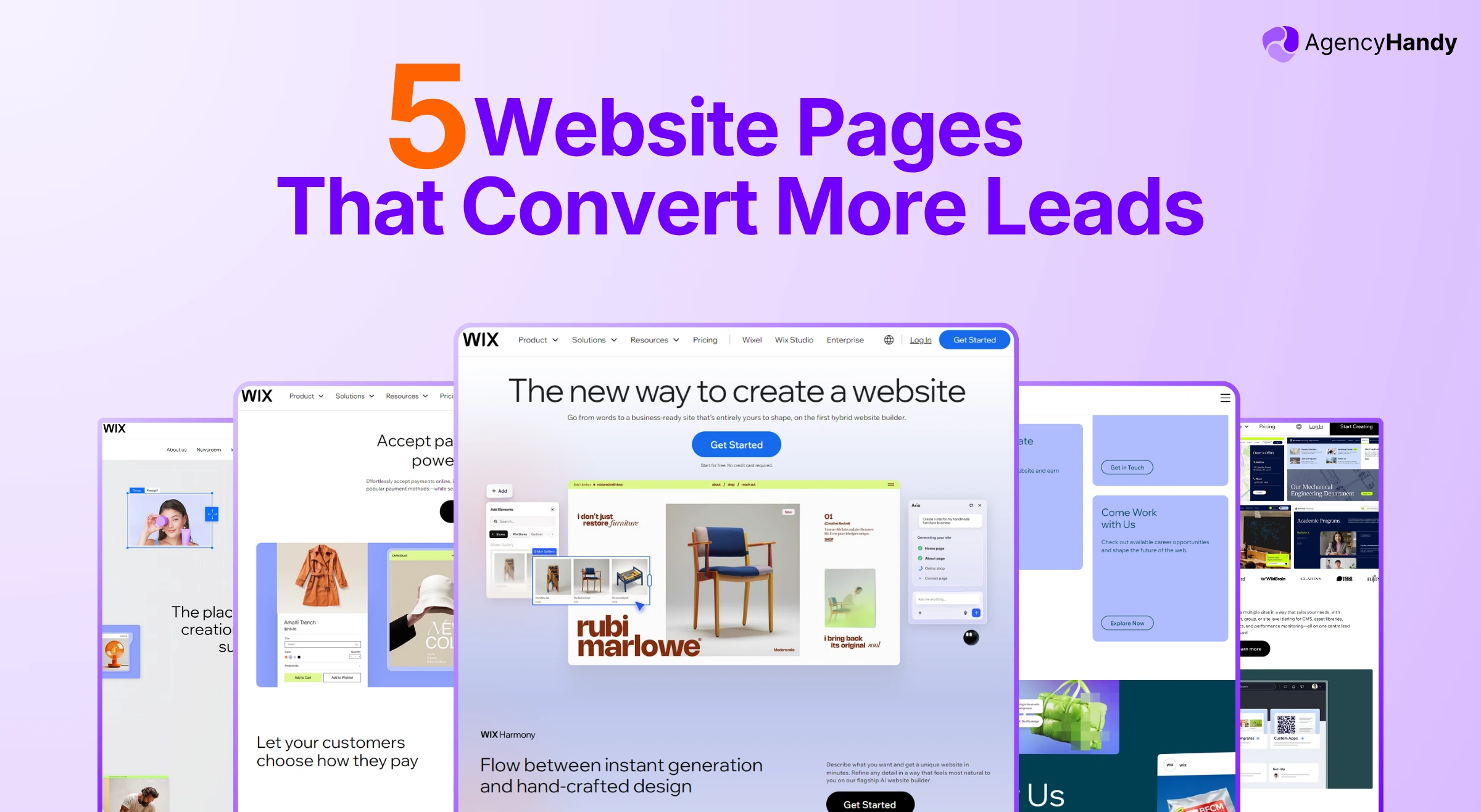



Getting visitors to your site is one thing, but getting them to book your services is another. When you sell a service, you’re asking people to invest in your skills and expertise, which means building trust is everything.
You don’t need a huge, complicated site to do this. A clean website that guides visitors to the information they need is far more effective. Let’s look at the five pages you need to turn casual visitors into booked clients.
TL;DR
- Building trust is key to converting visitors into booked clients for service businesses.
- A simple, clean website is more effective than a complex one.
- Focus on guiding visitors to the information they need.
- Include these five essential pages to turn casual visitors into clients.
Homepage: Your 3-Second First Impression
Your homepage acts as the front door to your business. When someone lands here, they give you about three seconds to grab their attention. If they cannot figure out what you do and how it helps them immediately, they will hit the back button. You have to communicate your value loudly and clearly at first glance.
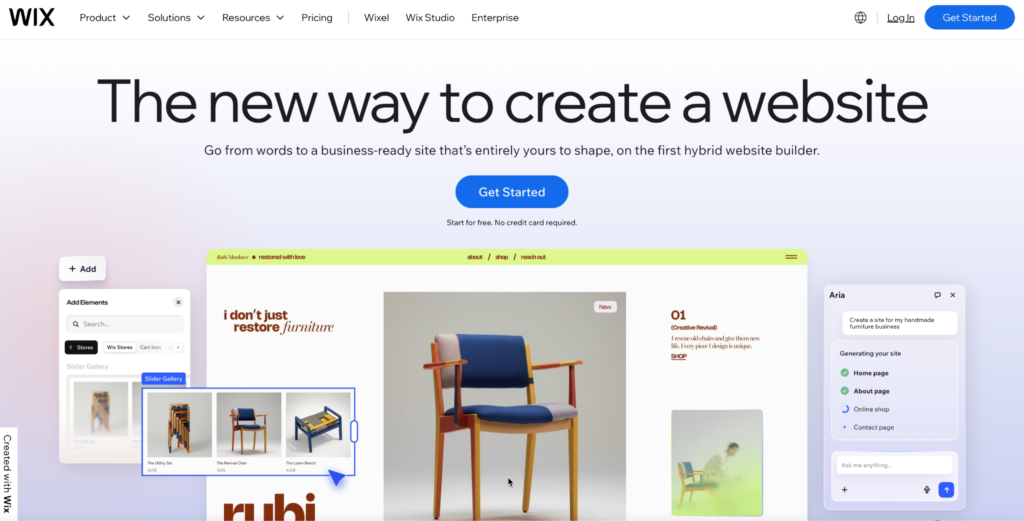
Using a simple website builder makes organizing this critical information incredibly easy. You do not want a cluttered layout filled with massive blocks of text. Instead, you want a clean, breathable design that guides the eye directly to your main message. A strong headline should state exactly what you offer and the specific result your client will get.
Below that headline, you need a clear, unmissable call-to-action button. Tell them exactly what to do next. Whether it says “Book a Free Call” or “Get Your Custom Quote,” the button should be the most obvious element on the screen. Do not make your visitors hunt for a way to hire you.
As they scroll down your homepage, offer a brief overview of your services and a hint of social proof. Think of this page as a helpful summary. You are just giving them enough information to click deeper into your site. Keep the navigation menu at the top neat and organized, directing them smoothly to the next step in their journey.
Services Page: Sell Outcomes, Not Tasks
Once a visitor understands your basic premise, they want to know exactly how you can help them. Your services page is where you break down your offerings into easy-to-read, actionable solutions. Avoid simply listing out your daily tasks like a dry menu. Focus entirely on the benefits and the transformations you provide.
Start by naming the exact pain points your ideal client experiences. If you run a landscaping business, do not just say you mow lawns. Say that you give homeowners their weekends back by maintaining beautiful, stress-free yards. When you frame your services around their problems, your readers feel understood and valued immediately.
Organize your different packages clearly. Give each service its own dedicated section with a descriptive header. Use bullet points to list out what is included, so people can scan the information quickly. Huge walls of text overwhelm readers, so keep your descriptions punchy and focused on the results.
You can also use this page to qualify your leads effectively. Adding starting prices or typical investment ranges saves everyone time. It ensures that the people who finally reach out to you actually have the budget to hire you. Wrap up the bottom of your services page with another strong call-to-action, inviting them to take the next logical step.
About Page: Where Client Trust Starts
Many business owners treat their about page like a formal resume. They list their degrees, their years of experience, and their corporate mission statements. This is a massive missed opportunity. People hire people they like, and your about page is your best chance to build a genuine, personal connection.
Start by telling a relatable story. Share why you started this business and what gets you excited to do the work every single day. Talk about your values and your unique approach to solving problems. When you open up, you transform your business from a faceless entity into a trusted partner.
While you are managing the backend of your business, you might research for a CRM with built-in client portals to organize your growing workflow. But to the customer, the relationship actually begins right here on your about page. They want to know they will be treated well and that their project is in capable, caring hands.
Always include a high-quality, friendly photo of yourself and your team. Let them see the smiling faces of the people they will be working with. End this page by explaining what it is like to collaborate with you. Set clear expectations about your communication style, and then invite them to reach out and say hello.

Testimonials: Let Results Speak Instead
You can tell people how great you are all day long, but it sounds much better coming from someone else. Social proof is one of the most powerful psychological triggers in sales. When visitors see that other people have trusted you and gotten great results, their own hesitation melts away instantly.
Set aside a special spot on your site to share your biggest wins. A great testimonial tells a complete story, moving beyond just saying you’re nice to work with. It should explain the specific problem a client had, how you helped them solve it, and the awesome results they’re seeing now. This approach to visual storytelling helps potential clients imagine what it would be like to succeed with you.
Always ask your past clients for permission to use their real names and, if possible, their photos. Anonymous reviews carry very little weight. If you work with other businesses, include their company logos to build even more authority. Real faces and real brands prove that your reviews are completely authentic.
If you have case studies, this is the perfect place to link them. A case study dives deep into your process and shows exactly how your brain works. It proves your competence beautifully. Scatter a few of your best, shortest reviews across your other pages as well, so visitors see them no matter where they click.
Contact Page: Remove Every Barrier
This is the finish line. If a visitor makes it to your contact page, they are actively considering hiring you. Your only job here is to get out of their way and make reaching out incredibly simple. Any friction on this page will cause you to lose a warm lead.
Keep your contact forms as short as humanly possible. Ask for their name, their email address, and a brief message. Every extra field you add to a form significantly drops the chances of someone filling it out. If your focus is B2B Lead Generation, you might need to capture their company name as well, but always keep your required fields to an absolute minimum.
Set clear expectations about when they will hear back from you. Add a short note above the form stating that you typically reply within twenty-four hours. This small detail provides great comfort and shows that you run a highly responsive, professional operation.
Finally, offer alternative ways to connect. Some people hate filling out forms. Provide a direct email address, a phone number, or links to your active social media profiles. Give them the freedom to reach out in whatever way feels most comfortable to them. When you remove the hurdles, your inbox naturally fills up with eager, qualified leads.
FAQs
What are the five essential pages for a service business website?
The five essential pages for a service business website that can help convert visitors into clients are: 1) Homepage, 2) Services Page, 3) About Page, 4) Testimonials Page, and 5) Contact Page. Each page plays a crucial role in building trust, providing information, showcasing social proof, and facilitating communication.
How should I design my homepage to attract visitors?
Your homepage should be clean and concise, grabbing visitors’ attention within three seconds. It should prominently display a strong headline that clearly communicates your value, and include an obvious call-to-action button that directs visitors on what to do next. Additionally, provide a brief overview of services and include social proof as visitors scroll down.
What content should I include on my services page?
On your services page, focus on breaking down your offerings into actionable solutions. Address the pain points of your ideal clients rather than listing tasks. Use clear organization for different packages, include bullet points for easy scanning, and specify starting prices to qualify leads effectively. Conclude with a strong call-to-action inviting visitors to take the next step.
How can my about page help in converting visitors?
Your about page is essential for building a personal connection with potential clients. Share your story, values, and approach to work, as people prefer hiring those they relate to. Include friendly photos of yourself and your team to humanize your business, and explain what collaboration with you looks like to set clear expectations.
What should I emphasize on my testimonials page?
Your testimonials page should feature genuine reviews from past clients that detail their specific problems and the results you’ve helped them achieve. Use real names and photos to enhance authenticity, and consider linking to case studies for deeper insights into your process. Effective testimonials build trust and help potential clients visualize success with your services.